

Agricultural Software Development
Spent $50k on farm software and still manually collecting sensor data? Equipment from five manufacturers refusing to talk to each other? We've seen it all. Our senior agtech teams build custom platforms integrating IoT sensors, equipment telematics, and compliance. With brutal honesty about what's salvageable. Most clients recover 20-35 hours weekly per manager. Production-ready in 8-16 weeks.
Common Industry Challenges
Organizations face unique challenges that impact operations, compliance, and efficiency.
Fragmented Farm Data & Manual Collection Workflows
Description
Your farm generates data from dozens of sources. Sensors, weather stations, equipment telematics, satellite imagery, and field observations. Each system speaks a different language and requires separate logins. Managers waste 8-12 hours weekly manually downloading files, copying data between systems, and building outdated spreadsheets. You can't make real-time decisions when yesterday's data is stuck in three platforms. Operations with $200k in sensors see 60% of data never analyzed because integration burden is too high.
Impact
Our Software Solutions

Unified Farm Data Platform & Real-Time Dashboards
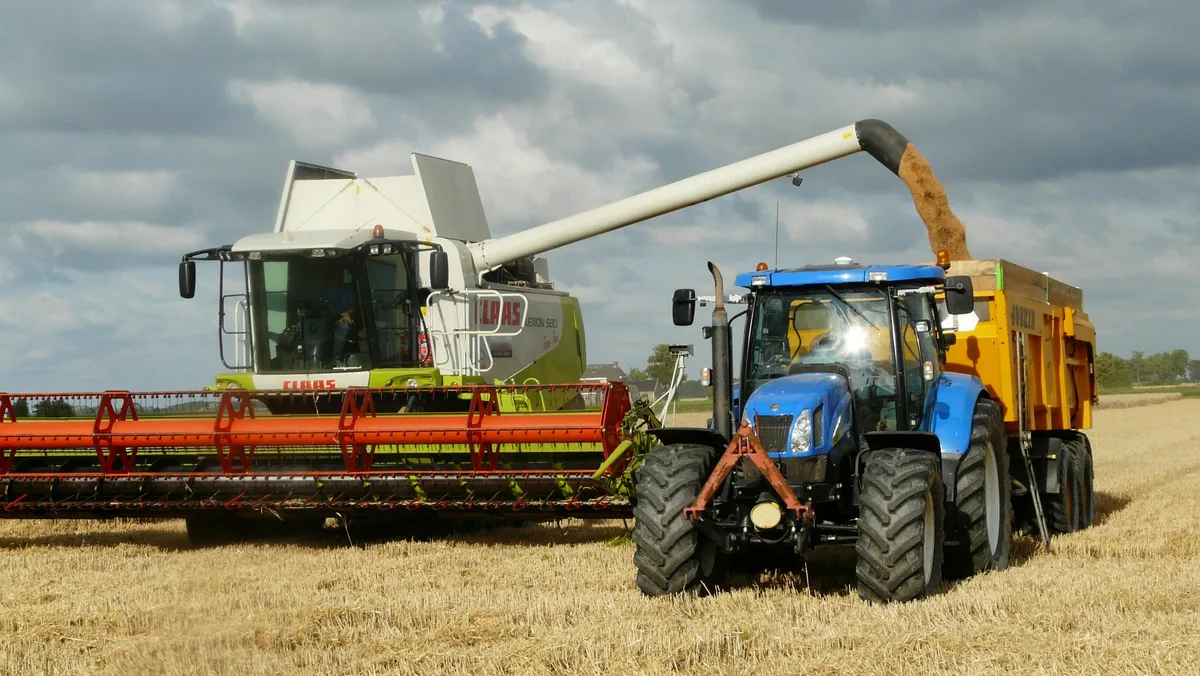
Multi-Manufacturer Equipment Integration Hub
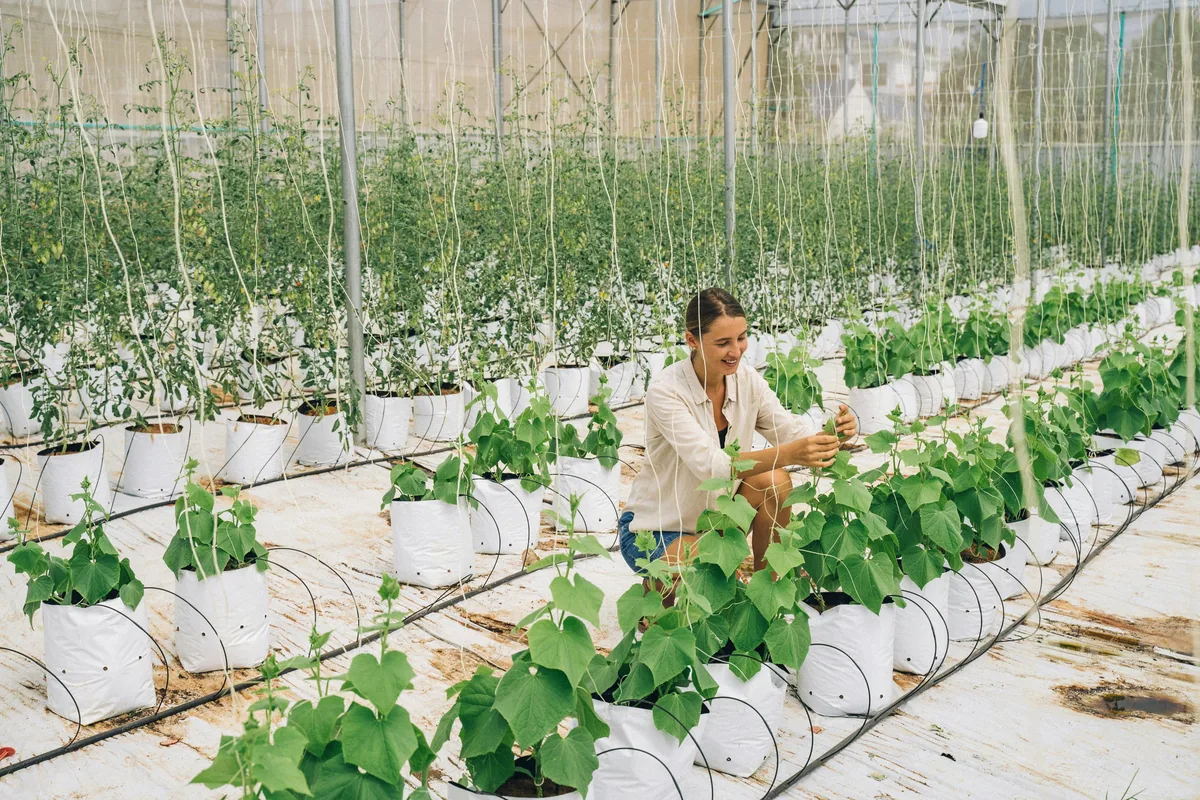
Automated IoT Sensor Management & Analytics
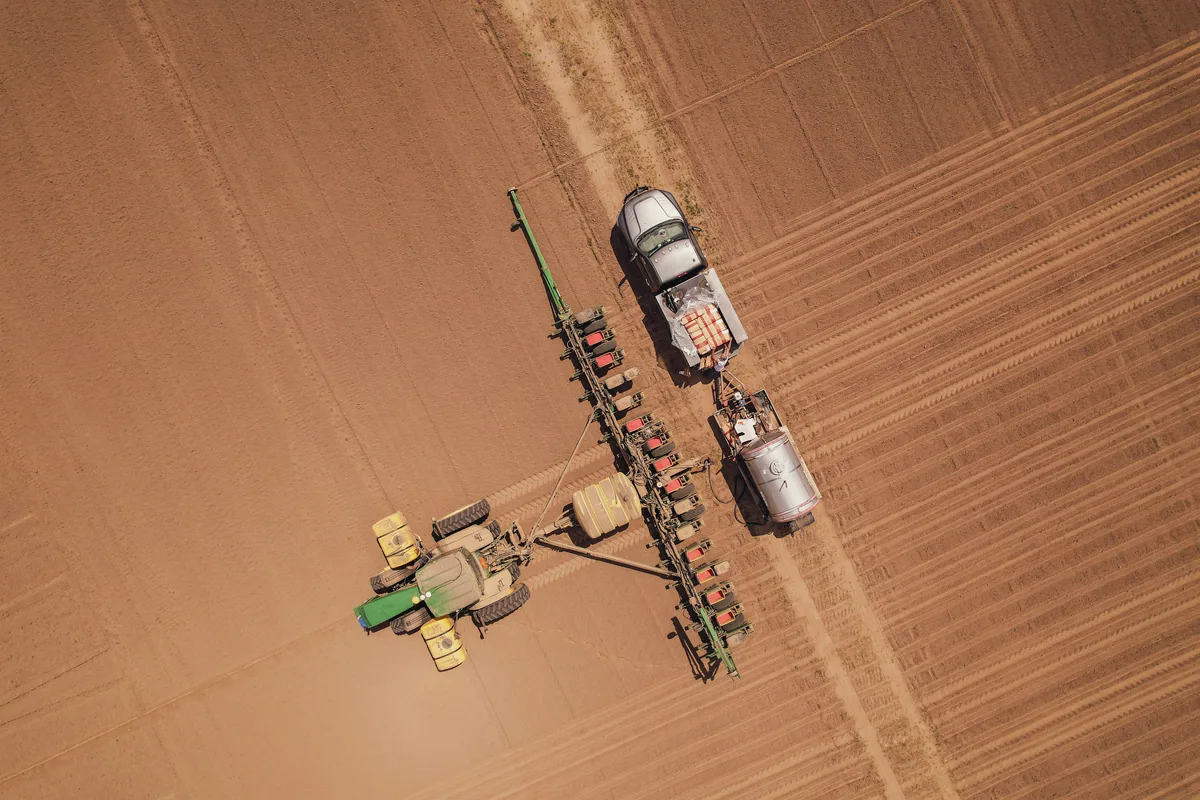
Intelligent Labor & Task Management Systems
Automated Sustainability & Compliance Reporting
Types of Software We Develop
We specialize in complex, data-heavy industrial applications where off-the-shelf software falls short.
Farm Management Systems (FMS)
Description
Comprehensive platforms managing all aspects of farm operations including field planning, crop rotations, input tracking, harvest management, and financial reporting. Modern FMS platforms integrate with equipment, sensors, and third-party data sources to provide centralized operational visibility and decision support. They typically include mobile applications for field data collection, inventory management for inputs and produce, and reporting tools for agronomists and management. Best custom FMS solutions are built around your specific crop types, operational workflows, and reporting requirements rather than forcing you into generic templates.
Key Modules & Features

Technologies & Integrations
| System Type | Common Tools | Our Capabilities |
|---|---|---|
| IoT Sensors & Edge Computing | Sentek soil moisture sensors, Davis weather stations, Pessl Instruments iMetos, Campbell Scientific dataloggers, LoRaWAN networks, Sigfox, Google Cloud IoT Core, Azure IoT Edge | Automated sensor data collection and validation, edge computing for remote field processing, real-time anomaly detection and alerts, sensor health monitoring and malfunction detection, data normalization across sensor brands, low-power wide-area network (LPWAN) connectivity management |
| Equipment Telematics Systems | John Deere Operations Center, Climate FieldView, AGCO Fuse, Case IH AFS Connect, Trimble Ag Software, Raven Slingshot, OEM telematics APIs | Multi-brand equipment monitoring and data extraction, maintenance scheduling and diagnostic code tracking, fuel consumption and efficiency analysis, equipment utilization and deployment optimization, variable rate prescription compatibility across brands, fleet management and GPS tracking integration |
| Weather & Climate Data APIs | Weather Underground API, OpenWeatherMap, Visual Crossing, NOAA/NWS data feeds, IBM Weather Company, Meteomatics, ClimaCell (Tomorrow.io), hyperlocal microclimate modeling | Hyperlocal weather forecast integration, historical climate data analysis and trending, probabilistic rainfall forecasting for irrigation decisions, growing degree day (GDD) calculations, weather-based pest and disease risk modeling, automated weather alerts and notification triggers |
| Satellite Imagery & Drone Data | Planet Labs, Sentinel-2 (ESA), Landsat (USGS), NDVI and multispectral indices, DJI drone platforms, Pix4D processing, Aerobotics, Taranis | Automated satellite imagery acquisition and processing, NDVI, EVI, NDRE vegetation index calculation, crop health monitoring and stress detection, disease and pest identification from aerial imagery, variable rate prescription generation from imagery, integration with ground-truthing and scouting workflows |
| ERP & Financial Systems | QuickBooks, Xero, SAP, Microsoft Dynamics, NetSuite, FarmERP, AgWorld financial modules, banking APIs, payroll systems (Gusto, ADP) | Automated capture of operational costs from workflows, field-level and crop-level profitability analysis, integration with accounting software for financial consolidation, payroll integration with time tracking systems, budget vs. Actual reporting and cash flow forecasting, agricultural tax reporting and depreciation tracking |
Custom vs. Off-the-Shelf Software
Understanding the differences helps you make the right choice for your organization.
Details:
Integrates your exact equipment mix. John Deere, Case IH, AGCO, Kubota, aftermarket tools. Regardless of age or brand. Custom integration handles proprietary formats.Details:
Limited to specific manufacturers or requires expensive adapters. Often won't integrate with older equipment or aftermarket precision ag tools.Details:
Built for your specific sensor brands and communication protocols. Easy to add new sensor types as technology evolves without platform limitations.Details:
Works with vendor-approved sensors only. Adding new sensor brands requires waiting for vendor support or switching entire platform.Details:
You own all your farm data in open formats. Complete export capabilities. No vendor lock-in or data held hostage if you change direction.Details:
Vendor owns your farm data. Extracting complete historical data for switching platforms is difficult or impossible. Data locked in proprietary formats.Details:
$50k-$300k one-time development. Predictable maintenance costs (typically 15-20% annually). You control upgrade priorities and timing. 5-year cost: typically 40-60% less.Details:
$8k-$40k annually forever with escalating subscription fees. Hidden costs for integrations, support, and feature upgrades. Total cost over 5 years: $60k-$250k+.Details:
Built around your exact workflows, crop types, and operational needs. Software adapts to you, not the other way around. Updates preserve customizations.Details:
Rigid workflows force you to adapt operations to software. Customizations cost $10k-$50k+ and break with updates. Most vendors won't customize for individual farms.Details:
Compliance automation built for your specific certifications (organic, sustainable, etc.), regulatory requirements, and buyer transparency demands. Audit-ready documentation automatically.Details:
Generic compliance features may not match your certifications, regulations, or buyer requirements. Manual workarounds common. Audit reports rarely audit-ready without editing.Why AgTech Companies & Farm Operations Choose StepInsight
Certifications & Expertise
- Cloud infrastructure specialists (Google Cloud, Azure)
- IoT and edge computing expertise
- Machine learning and predictive analytics
- Agricultural domain knowledge across crop and livestock operations
- Mobile application development (iOS, Android, Progressive Web Apps)
- Integration specialists for farm equipment and sensor systems
Industries Served
- Precision agriculture technology providers
- Farm management software companies
- Agricultural equipment manufacturers
- Grain and oilseed operations
- Specialty crop and vegetable production
- Organic and sustainable farming operations
- Livestock and integrated operations
- Agronomy consulting and service providers
Services
- Custom farm management system development
- Equipment telematics integration across mixed fleets
- IoT sensor platform development and edge computing
- AI-powered yield prediction and crop monitoring
- Compliance and sustainability tracking automation
- Supply chain traceability and food safety systems
- Mobile applications for field data collection
- Legacy agricultural software modernization
Stop Fighting Fragmented Farm Data
Book a free 45-minute AgTech strategy call. We'll review your equipment, sensors, and workflows. Then provide honest assessment whether custom development makes sense or commercial solutions fit better. No sales pressure. Most calls identify $20k-$50k in immediate efficiency opportunities.
Frequently Asked Questions
Agricultural software development creates custom technology solutions tailored to your specific farming operations, equipment, and data workflows. Rather than forcing you into rigid off-the-shelf templates. While generic farm management software offers one-size-fits-all features requiring you to adapt operations to their constraints, custom development builds around your exact crop types, equipment brands, sensor networks, and compliance requirements. You'll get equipment integration that handles your specific John Deere, Case IH, AGCO, or aftermarket precision ag tools without expensive adapters or manual workarounds. IoT sensor platforms work with your exact sensor brands and communication protocols. Compliance automation matches your certifications, not generic templates. Most importantly, you own the code and your data. No vendor lock-in or escalating subscription fees. Typical investment is $50k-$300k one-time versus $8k-$40k annually forever for commercial platforms, with custom solutions often costing 40-60% less over five years while delivering better operational fit.
Custom agricultural software development typically costs $50k-$300k depending on integration complexity, feature scope, and number of data sources. A basic farm data integration platform connecting 5-8 systems runs $50k-$100k. Mid-range solutions with IoT sensor management, equipment integration, and mobile apps cost $100k-$200k. Advanced platforms with AI-powered analytics, yield prediction, and multi-location support range $200k-$300k+. Most farm operations achieve ROI in 8-14 months through labor savings alone. We typically see 20-35 hours recovered per farm manager weekly. Additional benefits from optimized input usage (15-25% reduction in water, fuel, fertilizer costs), improved yields (8-15% average increase), and avoided compliance penalties accelerate payback. Compare this to commercial farm management software at $8k-$40k annually forever. Over five years you'll spend $40k-$200k+ on subscriptions while remaining constrained by platform limitations and vendor lock-in. Custom development costs more upfront but delivers better long-term value for operations managing 500+ acres or with complex equipment and sensor infrastructure.
Yes, we specialize in multi-manufacturer equipment integration despite vendors' efforts to lock you into proprietary ecosystems. We've integrated John Deere Operations Center, Climate FieldView (Bayer), AGCO Fuse, Case IH AFS Connect, Trimble, Raven Slingshot, and dozens of aftermarket precision agriculture tools into unified monitoring and management platforms. Our integration approach extracts telematics data from each manufacturer's API or data format, normalizes it into common structures, and provides consolidated fleet visibility regardless of equipment brands. This enables maintenance scheduling across your entire fleet, unified utilization reporting, fuel consumption analysis, and cross-brand variable rate prescription compatibility. Most operations we work with have mixed fleets because they buy best equipment for each task. Not limiting themselves to single manufacturers for dubious integration promises. Our platforms eliminate $15k-$25k annually in redundant equipment monitoring subscriptions while providing better operational visibility than manufacturer-specific systems. Integration typically takes 10-14 weeks depending on number of equipment brands and desired features, with phased rollout minimizing operational disruption.
IoT sensors continuously monitor soil moisture, temperature, humidity, nutrient levels, and crop health. Providing real-time data for precision agriculture decisions without manual field observations. However, raw sensor data requires processing infrastructure to be useful. Edge computing devices in remote fields collect sensor data locally, perform initial processing and validation, and transmit consolidated insights when connectivity is available. Solving rural internet limitations. Our IoT platforms handle sensor provisioning, connectivity management, automatic anomaly detection, calibration drift identification, and translation of readings into actionable recommendations. Machine learning models clean noisy sensor data and identify malfunctions before bad data influences decisions. Integration with weather forecasts and crop growth models provides predictive insights. Not just historical reporting. Most operations see sensor data analysis time drop from 6-10 hours weekly to under 30 minutes while improving decision accuracy significantly. Automated irrigation control based on real-time soil moisture and weather forecasts typically reduces water usage 15-30% while improving yields 8-15% through optimized timing.
We automate compliance documentation for organic certifications, environmental regulations, food safety standards (FSMA, GlobalGAP), pesticide reporting (state requirements like California's CalPIP), water usage tracking, carbon footprint calculations, and supply chain traceability. Automated systems capture compliance data as part of normal operations rather than requiring separate documentation efforts. Pesticide applications automatically generate treatment records with GPS coordinates, application rates, weather conditions, REI periods, and organic approval verification. Water usage monitoring from irrigation systems feeds directly into environmental compliance reports. Carbon footprint calculations happen automatically from fuel usage, input applications, crop production data, and equipment operations. Organic certification platforms maintain chain-of-custody documentation, input verification, field history, and buffer zone compliance automatically. Audit reports generate in minutes with supporting documentation attached, not days of manual compilation. One organic vegetable producer reduced compliance documentation time from 10-12 hours weekly to 30 minutes while improving audit readiness and eliminating certification risks from incomplete records. Most operations see $18k-$35k annually in administrative cost savings from compliance automation.
Modern AI crop yield prediction achieves 85-95% accuracy compared to 60-70% for traditional methods, with best-performing models explaining 92% of yield variation. Machine learning algorithms analyze satellite imagery (NDVI, EVI, NDRE vegetation indices), weather data (temperature, rainfall, growing degree days), soil properties (texture, organic matter, nutrient levels), historical yield performance, crop growth stages, and real-time field conditions to forecast yields weeks before harvest. Accuracy improves over time as models learn from your specific farm's patterns. First year predictions typically hit 80-85% accuracy, improving to 90-95% by third season. Required data includes 2-3 years of historical yield maps, current season satellite imagery (freely available from Sentinel-2 or Landsat), weather data, and soil type information. Advanced models incorporate real-time sensor data, crop scouting observations, and management practice records for improved precision. Predictions update weekly as growing season progresses, with confidence intervals narrowing as harvest approaches. Early yield forecasts enable better marketing decisions, logistics planning, labor scheduling, and harvest equipment deployment. One grain operation using our yield prediction models improved forward contracting decisions, capturing $40k additional revenue through better market timing.
Most farm management software implementations fail due to poor equipment integration, unrealistic timelines, inadequate training, lack of customization, and hidden costs that emerge late in projects. Vendors promise 8-12 week implementations that stretch to 6-12 months as integration challenges surface. Off-the-shelf platforms force you to adapt operations to rigid workflows, creating adoption resistance from farm teams. We avoid these failures through honest upfront assessment before projects start. We'll tell you if your operation is too small to justify custom development or if commercial tools would work better. Phased rollout approach starts with highest-impact modules (typically equipment integration or data consolidation) delivering immediate value while building toward comprehensive platform. Integration complexity is addressed early with proof-of-concept testing for critical equipment and sensors before full development. Training happens continuously during development, not as afterthought post-launch. Interfaces are designed around your team's existing workflows rather than forcing new processes. Most importantly, we include realistic contingencies for agricultural complexity. Every farm has unique equipment configurations, sensor brands, or compliance requirements that generic platforms can't handle. Our 95%+ implementation success rate comes from brutal honesty about challenges and realistic planning, not optimistic promises.
Yes, agricultural software should integrate with your accounting systems (QuickBooks, Xero, SAP, NetSuite, FarmERP) to eliminate duplicate data entry and enable accurate profitability analysis. Integration automatically captures operational costs from workflows. Labor time from workforce management, input purchases from inventory systems, equipment costs from maintenance and fuel tracking, and harvest revenues from yield and sales data. This enables field-level and crop-level profitability analysis showing which crops, fields, or practices generate best returns. Financial dashboards provide real-time budget vs. Actual comparisons rather than waiting for month-end accounting closes. Cash flow forecasting incorporates operational data like upcoming input purchases, expected harvest revenues, and equipment maintenance schedules. Integration with payroll systems (Gusto, ADP, etc.) streamlines time and attendance processing from mobile time tracking. Agricultural tax reporting features handle depreciation tracking, Section 179 deductions, and farm-specific accounting requirements. Most operations see 8-12 hours weekly saved on financial data entry and consolidation while gaining much better visibility into what's actually profitable versus what feels profitable. One diversified operation discovered through profitability analysis that their highest revenue crop was actually least profitable after accurate cost allocation. Leading to operational changes that improved overall margins by 18%.
Farm data security requires protecting sensitive operational information, financial data, and competitive intelligence while maintaining accessibility for farm teams and trusted advisors. Our security approach includes encrypted data transmission (TLS 1.3), encrypted storage at rest (AES-256), role-based access control limiting who sees specific information, multi-factor authentication for administrative access, automated security patching, regular penetration testing, and comprehensive audit logging. Cloud infrastructure uses Google Cloud, Azure, or GCP with SOC 2 compliance and data residency controls ensuring your information stays in US/Australia regions. Backup systems maintain 30-day recovery capability with offsite storage. Unlike commercial farm management platforms where vendors own your data and may share with partners (equipment manufacturers, input suppliers, etc.), custom platforms ensure you control exactly who accesses your farm information. Data ownership is clearly defined in contracts. You own all farm data, we own the code platform. Export capabilities provide complete data portability in open formats, preventing vendor lock-in. For operations concerned about cloud security, we can deploy on-premises or hybrid solutions keeping sensitive data within your infrastructure while enabling field team mobile access.
Agricultural field teams need mobile applications that work offline in remote fields with intermittent connectivity, sync automatically when internet is available, and minimize data entry through GPS, cameras, barcode scanning, and voice input. Essential capabilities include offline field data collection for scouting observations, pest/disease reports, soil sampling locations, and equipment inspections. GPS-tagged photos document field conditions with automatic location and timestamp capture. Task lists show work orders, application prescriptions, and harvest priorities with turn-by-turn navigation to correct fields. Real-time access to recommendations, weather forecasts, and field history helps decisions in the field rather than requiring office trips. Mobile time tracking with GPS verification captures labor costs at task level without paper timesheets. Push notifications alert teams to critical conditions, weather changes, or priority task updates. Barcode/QR scanning tracks inputs, equipment, and harvested produce for inventory and traceability. Voice input enables hands-free data capture while operating equipment. Our mobile applications use Progressive Web App (PWA) technology working across iOS, Android, and tablets from single codebase. Reducing development costs versus separate native apps. Offline-first architecture ensures field teams aren't blocked by connectivity limitations common in rural agricultural areas.
Agricultural software development typically takes 8-16 weeks for core platform functionality with phased rollout minimizing operational disruption. Timeline depends on integration complexity, number of data sources, customization requirements, and team availability for testing and feedback. Discovery and planning phase (2-3 weeks) includes detailed requirements analysis, equipment and sensor inventory, workflow mapping, and integration testing with critical systems. Initial development sprint (4-6 weeks) builds core platform with highest-priority modules. Typically data consolidation, equipment integration, or compliance automation delivering immediate value. Testing and refinement (2-3 weeks) involves farm team validation, workflow adjustments, and integration debugging with real operational data. Training and deployment (1-2 weeks) happens gradually, starting with power users before full team rollout. Advanced features like AI yield prediction, multi-location support, or complex analytics are often deployed in subsequent phases after core platform is stable. This phased approach delivers value quickly while managing risk. Unlike commercial farm management software implementations that promise 8-12 weeks but often take 6-12 months before being fully operational. We're honest upfront if your project will take longer due to unusual complexity. Most operations are using core platform within 10-14 weeks of project kickoff.
Yes, well-architected agricultural software scales from 200-acre family farms to 50,000+ acre multi-location operations. But requirements differ significantly by operation size. Small operations (under 1,000 acres) need cost-effective solutions focusing on labor savings and equipment integration, with $50k-$100k budgets and 8-12 week implementations delivering ROI primarily through time savings. Mid-sized farms (1,000-5,000 acres) benefit from comprehensive platforms integrating equipment, sensors, compliance, and financial systems, with $100k-$200k investments justified by combined labor efficiency and input optimization. Large operations (5,000+ acres) and multi-location enterprises require sophisticated platforms with real-time multi-site visibility, advanced analytics, workforce management, and enterprise system integration at $200k-$400k+ investments delivering ROI through operational efficiency at scale. Technical scalability involves database architecture handling growing data volumes, multi-tenant designs for service providers managing multiple client farms, role-based access for complex organizational structures, and API-first design enabling integration with emerging agricultural technologies. We're honest about minimum operation size justifying custom development. Farms under 500 acres often get better value from commercial farm management software unless they have specialized requirements those platforms can't address. Multi-location operations see most dramatic benefits from unified visibility replacing fragmented site-level data management.