
Business Intelligence & Embedded Analytics

SaaS Founders, Product Managers, CTOs, Data-Driven Teams

What You Get

What's Included in Our Business Intelligence & Embedded Analytics

Key deliverable

BI Strategy & Data Modeling

We start by understanding your business objectives, key metrics, and data landscape. We design a comprehensive BI strategy that aligns analytics with business goals, defines KPIs, and creates a scalable data model that supports current needs and future growth.

  • Business objectives workshop and KPI definition aligned with strategic goals
  • Data source audit and integration planning across databases, APIs, and third-party tools
  • Dimensional data modeling (star schema, fact and dimension tables) for optimal query performance
  • User persona analysis to understand who needs what insights and when

Key deliverable

Custom Dashboard Development

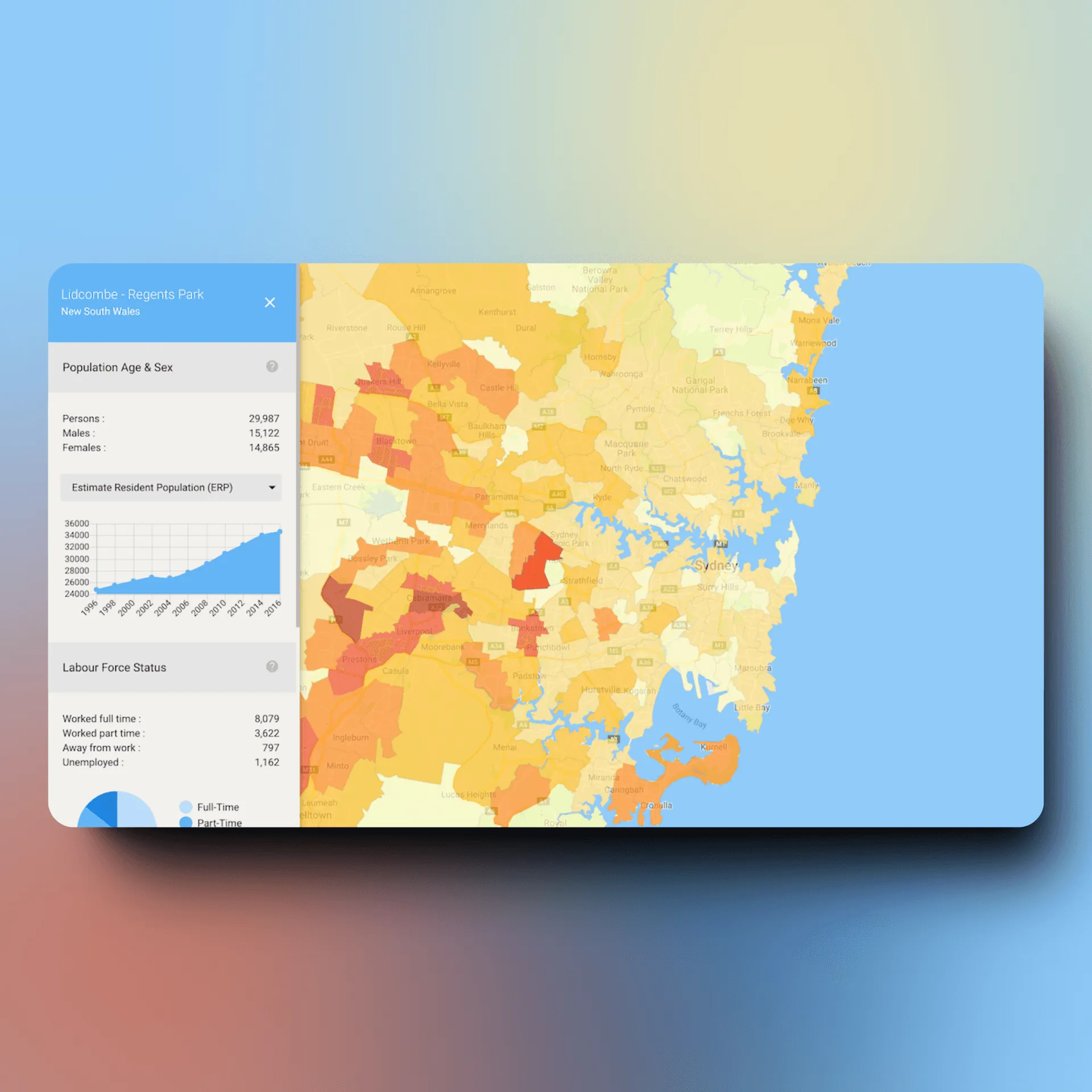
We design and build intuitive, interactive dashboards tailored to your specific use cases—executive overviews, operational dashboards, product analytics, or customer-facing insights. Every dashboard is optimized for performance, usability, and visual clarity.

  • Executive dashboards with high-level KPIs, trend analysis, and drill-down capabilities
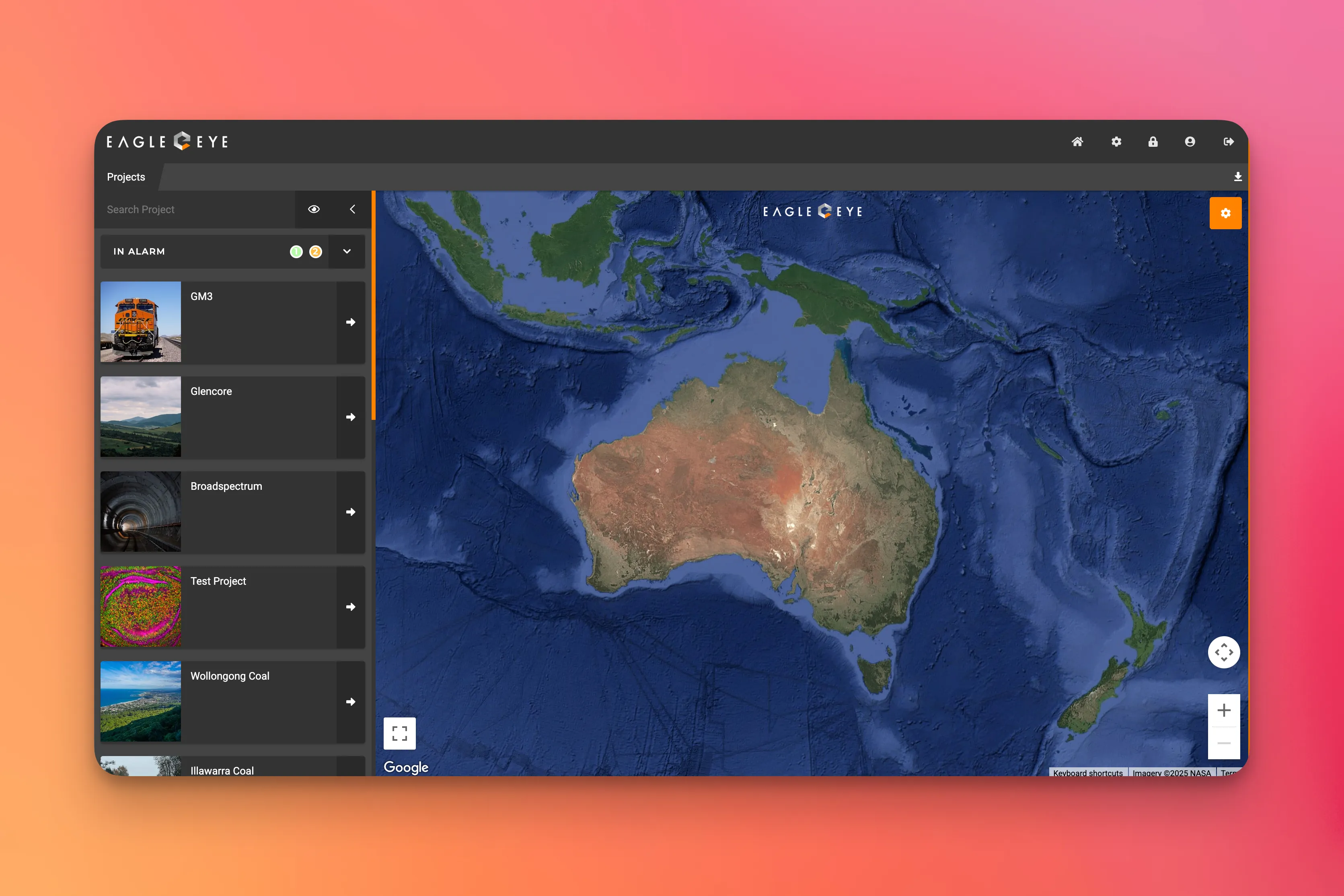
  • Operational dashboards showing real-time metrics, alerts, and performance tracking
  • Product analytics dashboards for user behavior, feature adoption, and engagement metrics
  • Custom visualizations designed for clarity and actionable insights, not visual overload
Key deliverable

Embedded Analytics Integration

Our specialty: embedding Power BI, Tableau, or custom analytics directly into your application. This isn't just iframing a dashboard—we integrate analytics as a native feature of your product, with white-labeling, row-level security, and seamless user experience.

  • Power BI Embedded integration with React, Angular, Vue, or custom frameworks
  • Tableau Embedded JavaScript API integration for interactive, app-native analytics
  • Row-level security (RLS) implementation ensuring users only see their own data
  • White-label styling to match your application's branding and design system
Key deliverable

Self-Service Analytics Platform

Empower your teams to answer their own questions without waiting for data analysts. We implement self-service BI platforms where non-technical users can explore data, create reports, and share insights—all within governed, secure environments.

  • Drag-and-drop report builders for non-technical users (Power BI, Tableau, Looker, Metabase)
  • Pre-built report templates for common analyses (sales performance, user engagement, financial KPIs)
  • Data governance and access controls ensuring security while enabling self-service
  • Natural language query interfaces allowing users to ask questions in plain English
Key deliverable

Automated Reporting & Alerts

Eliminate manual reporting with automated workflows that deliver insights when and where they're needed. We set up scheduled reports, real-time alerts, and intelligent notifications that keep stakeholders informed without constant dashboard monitoring.

  • Scheduled report delivery to email, Slack, Microsoft Teams, or custom channels
  • Real-time alerts and threshold monitoring for critical metrics (sales drops, system errors, SLA breaches)
  • Anomaly detection using statistical models to identify unusual patterns automatically
  • Custom notification logic based on business rules and user preferences
Key deliverable

Performance Optimization & Scaling

BI tools can become slow and expensive as data grows. We optimize query performance, implement caching strategies, and design scalable architectures that keep dashboards fast even with millions of rows of data and hundreds of concurrent users.

  • Query optimization and indexing strategies reducing load times by 50-80%
  • Aggregation and pre-computation of common metrics for instant dashboard loading
  • Incremental data refresh strategies minimizing processing time and costs
  • Caching implementation (in-memory, CDN) for frequently accessed reports
Our Process

From Discovery to Delivery

A proven approach to strategic planning

Understand your business objectives, data landscape, and define success metrics
01

Discovery & Strategy • 1-2 weeks

Understand your business objectives, data landscape, and define success metrics

Deliverable: BI Strategy Document including data model design, KPI definitions, user personas, technical architecture plan, and phased implementation roadmap

View Details
Build the data infrastructure required to support reliable, scalable analytics
02
Design and build custom dashboards and reports tailored to user needs
03
Integrate Power BI or Tableau directly into your application as a native feature
04
Implement automated reporting, alerts, and data refresh workflows
05
Empower your team to use and maintain the BI system independently
06

Why Trust StepInsight for Business Intelligence & Embedded Analytics

Experience

  • 10+ years delivering business intelligence and embedded analytics solutions across 18 industries
  • 200+ successful BI implementations including dashboards, self-service platforms, and customer-facing analytics
  • Delivered embedded Power BI and Tableau integrations for SaaS platforms generating $10M-$100M+ ARR
  • Partnered with companies from pre-seed concept through Series B scale, optimizing analytics for growth
  • Global delivery experience across US, Australia, Europe with offices in Sydney, Austin, and Brussels

Expertise

  • Power BI and Tableau expertise including embedded analytics, row-level security, and custom integrations
  • Modern data stack including cloud data warehouses (Snowflake, BigQuery, Redshift), ETL tools (Fivetran, Airbyte), and transformation layers (dbt)
  • Full-stack development capabilities enabling seamless embedded analytics in React, Angular, Vue, and custom frameworks
  • Data modeling best practices including dimensional modeling, aggregation strategies, and performance optimization

Authority

  • Featured in industry publications for embedded analytics and data-driven product development expertise
  • Guest speakers at data and product conferences across 3 continents
  • Strategic advisors to accelerators and venture capital firms on portfolio company data strategy and analytics
  • Clutch-verified with 4.9/5 rating across 50+ client reviews
  • Member of the Data Management Association (DAMA) and active contributors to open-source BI projects

Ready to start your project?

Let's talk custom software and build something remarkable together.

Custom Business Intelligence & Embedded Analytics vs. Off-the-Shelf Solutions

See how our approach transforms outcomes

Details:

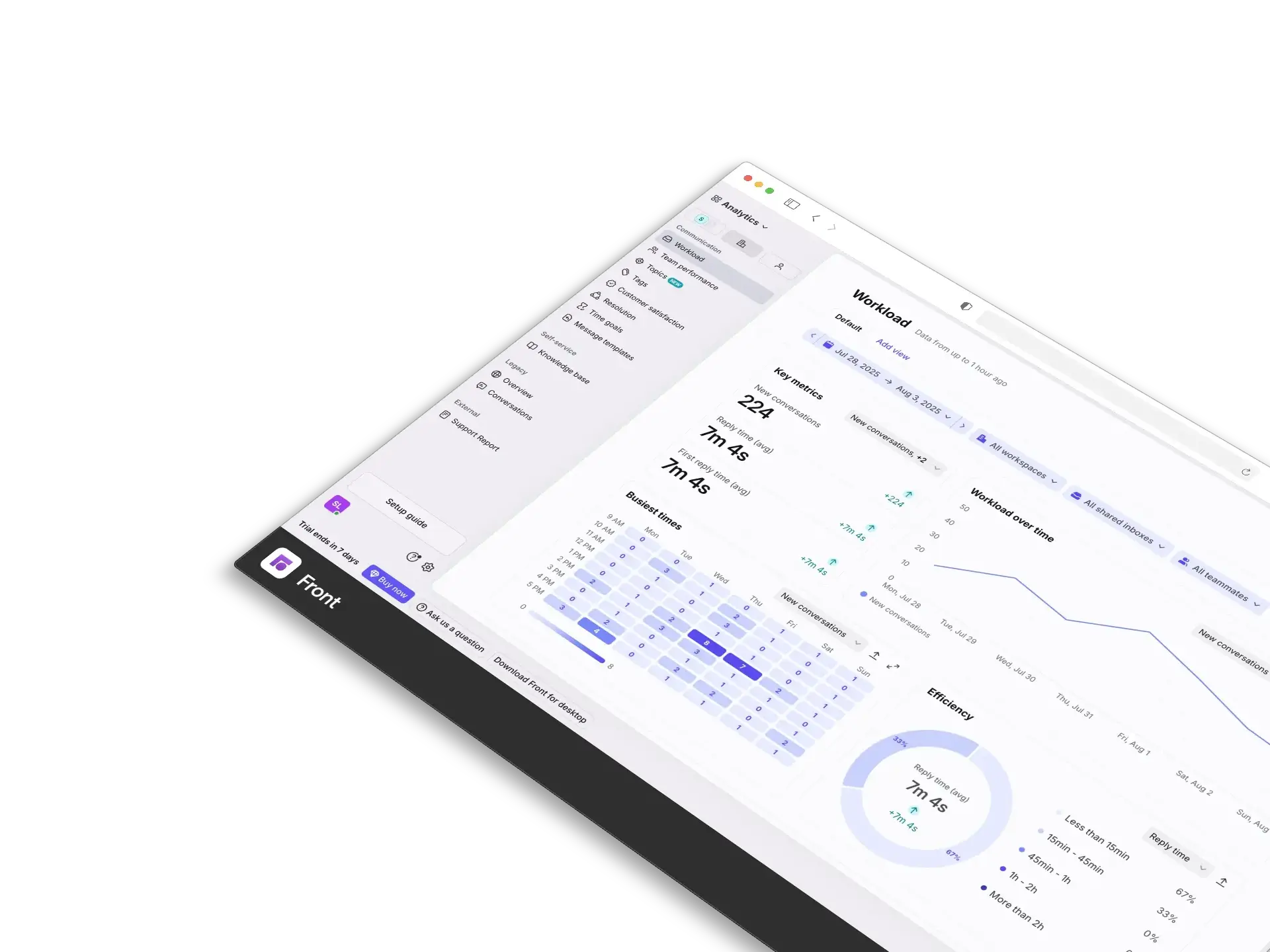
Unified BI platform consolidating all data sources into a single source of truth. Real-time dashboards update automatically. Teams access current metrics instantly without manual data pulls. Executives see business performance at a glance.

Details:

Data scattered across multiple systems (Salesforce, databases, spreadsheets, SaaS tools) with no unified view. Teams spend 5-15 hours per week manually pulling and combining data. Key metrics are days or weeks old by the time they're reviewed.

Details:

Real-time dashboards enable instant decision-making with 30-50% faster cycle times. Meetings focus on strategy because everyone has the same, trusted data. Self-service analytics allow teams to answer their own questions in minutes.

Details:

Strategic decisions delayed 2-5 days waiting for data analysts to pull reports. Meetings spent debating whose numbers are correct instead of discussing strategy. Analysis paralysis due to conflicting information from different sources.

Details:

Data team focuses on strategic initiatives as self-service tools eliminate 70-80% of ad-hoc requests. New dashboard requests delivered in days, not weeks. Centralized BI platform reduces technical debt and maintenance burden.

Details:

Engineers and analysts spend 50-70% of their time on ad-hoc reporting requests instead of strategic work. Backlog of 4-8 weeks for new report requests. Technical debt accumulates as teams build one-off scripts and spreadsheets.

Details:

Single source of truth ensures consistent metrics across all teams and reports. Automated data quality checks catch errors before they affect decisions. Complete audit trails show data lineage and changes over time.

Details:

Different teams report different numbers for the same metrics. Manual data entry introduces errors. No validation or audit trails. Difficult to trace where numbers come from or why they changed.

Details:

Intuitive, interactive dashboards accessible to non-technical users. Drag-and-drop report builders empower self-service analytics. Mobile-responsive design works on any device. High adoption due to user-friendly experience.

Details:

Complex SQL or technical knowledge required to access data. Only data analysts can create reports. Static PDFs or spreadsheets emailed weekly—already outdated when received. Low adoption because tools are too hard to use.

Details:

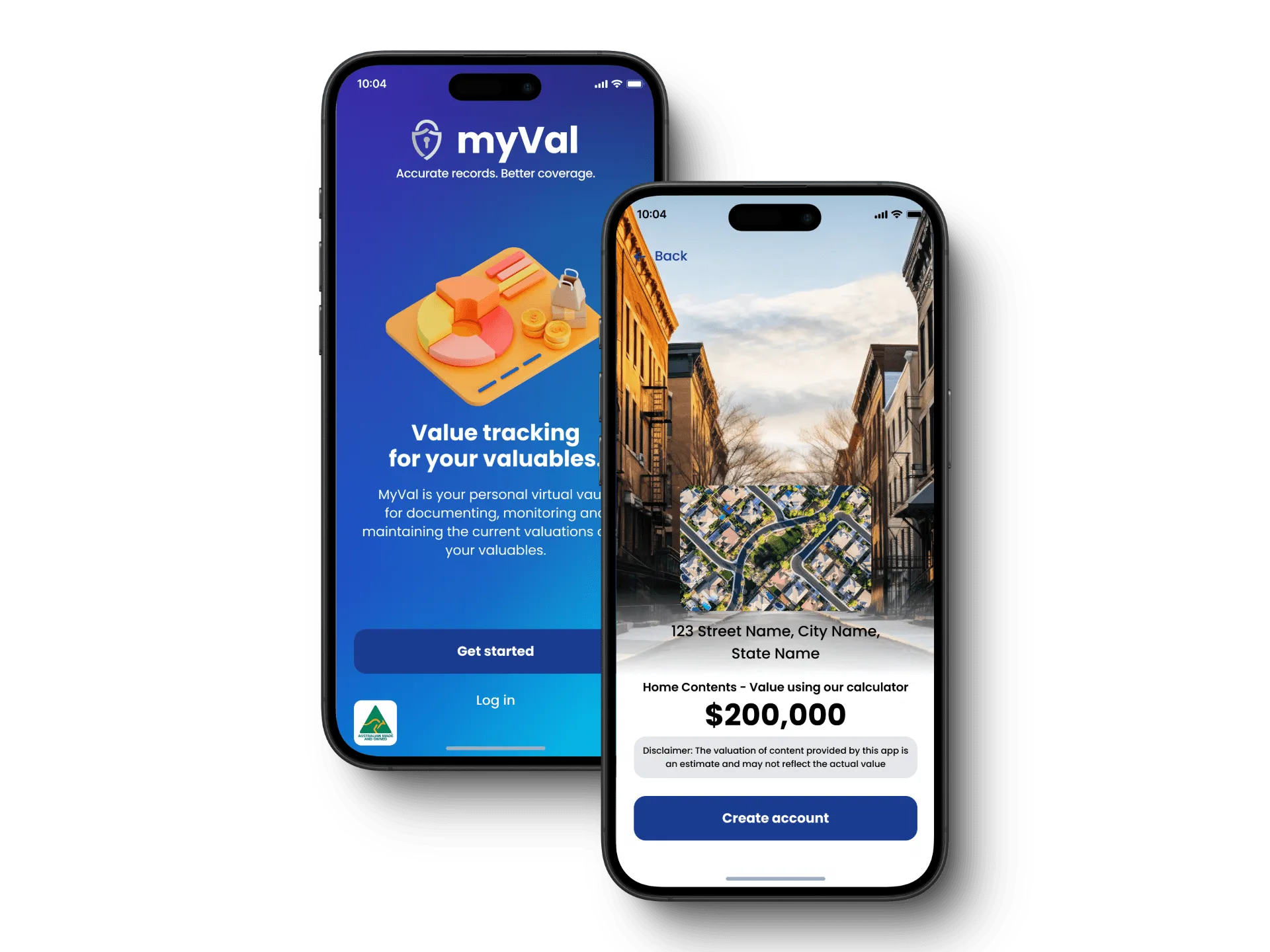
Customers access their own analytics within your application—self-service insights reduce support tickets by 20-30%. Investors have secure portal access to real-time metrics. Embedded analytics become a product differentiator.

Details:

Customers request usage reports that your team generates manually, creating support burden. Investors receive manually prepared reports that are inconsistent across meetings. No self-service options for customers or partners.

Details:

Optimized data models and caching strategies keep dashboards fast even with millions of rows. Cloud architecture scales automatically with usage. Performance remains consistent as data and users grow from 10 to 10,000+.

Details:

Reports slow down as data grows. Dashboards time out with large datasets. Manual processes don't scale—reporting burden increases linearly with company growth. Legacy systems can't handle modern analytics needs.

Details:

Save 20-40 hours/week across teams with automated reporting, worth $30k-$60k/year. Modern cloud platforms reduce infrastructure costs by 40-60%. Faster decisions and better insights drive 3-5x ROI.

Details:

Hidden costs in employee time—teams spend 20-40 hours/week on manual reporting worth $30k-$60k/year in salary costs. Legacy BI tools have high licensing and infrastructure costs. Delayed decisions cost opportunities.

Frequently Asked Questions About Business Intelligence & Embedded Analytics

Business Intelligence (BI) consulting helps organizations transform raw data into actionable insights through custom dashboards, reports, and analytics tools. It goes beyond basic reporting—modern BI consulting focuses on making data accessible to the right people at the right time, whether that's executives reviewing KPIs, product teams analyzing user behavior, or customers viewing their own analytics within your application. BI consultants design data strategies, implement tools like Power BI and Tableau, build custom dashboards, and create self-service analytics platforms where non-technical users can explore data independently. The best BI consulting includes embedded analytics, integrating insights directly into applications so users never have to leave your product to access data.

Hire a BI consultant when you're: (1) spending 20+ hours per week manually pulling reports and consolidating data from multiple sources, (2) making strategic decisions slowly because you lack real-time visibility into business metrics, (3) growing beyond spreadsheets and need a scalable analytics platform, (4) struggling with data silos across different systems (Salesforce, databases, SaaS tools) resulting in conflicting numbers, (5) wanting to offer customer-facing analytics as a product feature, or (6) preparing for investor due diligence and need professional, consistent metrics. The ideal time is before data problems become critical bottlenecks—when manual reporting consumes significant time but before you've hired a full data team. Most companies reach this point at 20-50 employees or when they have 5+ data sources that need consolidation.

BI consulting typically costs $15,000-$35,000 for small businesses needing foundational dashboards and basic automation, $35,000-$75,000 for growing companies requiring embedded analytics, self-service platforms, and multi-source integration, or $75,000-$150,000+ for enterprises with complex data ecosystems, legacy system migrations, and advanced features. Pricing varies based on data source complexity (2-5 sources vs. 15+), number of dashboards and users, embedded analytics requirements, and whether you need ongoing support. Most clients save 3-5x their consulting investment within 6-12 months by eliminating manual reporting time (20-40 hours/week saved), making faster decisions (30-50% improvement), and avoiding costly mistakes from bad data. Hourly rates for Power BI and Tableau specialists range from $100-$250, but project-based pricing delivers better value and predictability.

Typical deliverables include: (1) BI Strategy Document with KPI definitions, data model design, user personas, and implementation roadmap, (2) Data Integration Platform consolidating all sources with automated ETL pipelines and quality monitoring, (3) Custom Dashboards (3-25 depending on scope) for executives, operations, product teams, and customer-facing analytics, (4) Embedded Analytics Integration with Power BI or Tableau directly in your application (if applicable), (5) Self-Service Analytics Platform where non-technical users can create reports independently, (6) Automated Reporting Workflows with scheduled delivery and intelligent alerts, (7) Training Materials including user guides, administrator documentation, and recorded training sessions, and (8) Post-Launch Support (30-90 days) for optimization and questions. All deliverables are yours to own—no ongoing licensing requirements from StepInsight, though tools like Power BI and Tableau have their own licensing costs.

BI implementation typically takes 6-16 weeks depending on scope and complexity. Small projects (2-5 data sources, 3-5 dashboards, basic automation) take 6-8 weeks and cover discovery, data integration, dashboard development, and training. Medium projects (5-15 sources, 8-12 dashboards, embedded analytics integration) take 10-14 weeks and include multi-tenant architecture, row-level security, and self-service platform setup. Large enterprise projects (15+ sources, 15-25 dashboards, legacy system migration) take 14-20+ weeks and involve extensive data modeling, governance framework, and change management. Timeline depends on data source complexity, existing infrastructure readiness, stakeholder availability for requirements gathering, and whether you need embedded analytics integration. Most clients see ROI within 3-6 months post-launch through time savings, better decisions, and improved operational efficiency. Quick wins are delivered in phases—core dashboards in weeks 4-6, with advanced features added incrementally.

StepInsight differentiates through: (1) Embedded Analytics Specialization—we don't just create standalone dashboards; we integrate Power BI and Tableau directly into your applications as native features, a capability most consultants lack, (2) Full-Stack Development Expertise—our team combines data engineering with software development, enabling seamless integrations and custom functionality that pure BI consultants can't deliver, (3) Product-Centric Approach—we think like product builders, designing analytics that improve user experience and can become revenue-generating features, not just internal reporting tools, (4) Modern Tech Stack—we use cloud-native, scalable solutions (Snowflake, dbt, modern BI platforms) instead of legacy enterprise systems, and (5) Actionable Delivery—we deliver working systems with training and handoff, not 100-page strategy documents. We're not a big consulting firm with junior consultants—you work directly with senior engineers and data architects who've implemented BI for 200+ companies.

Embedded analytics means integrating dashboards and reports directly into your application, so users access insights without leaving your product to open a separate BI tool. Instead of saying 'log into Tableau to see your reports,' analytics become a native feature of your app—seamlessly styled to match your brand, secured with row-level security so users only see their data, and deeply integrated with your application's workflows. You need embedded analytics if: (1) you're building a SaaS product and want to offer customers their own usage, performance, or ROI insights, (2) you want to differentiate your product with powerful analytics capabilities without 6-12 months of custom development, (3) your users request data exports and reports frequently, indicating demand for self-service insights, or (4) you want to monetize data by offering analytics as a premium feature. Embedded analytics improve customer retention by 15-25% by increasing product value and reducing churn.

Power BI is typically better for: Microsoft-centric organizations using Azure, Office 365, and Dynamics; smaller budgets ($10-20/user/month vs. $70+ for Tableau); embedded analytics needs due to Power BI Embedded's flexible, consumption-based pricing; and teams wanting tight integration with Excel and Microsoft data sources. Tableau is typically better for: organizations prioritizing best-in-class data visualization and complex chart types; teams with diverse data sources beyond Microsoft ecosystem; enterprises willing to invest in premium analytics tools; and data analyst teams who prefer Tableau's more powerful querying and exploration capabilities. Honestly, both are excellent modern platforms—the choice depends on your existing tech stack, budget, and team preferences. We're expert in both and recommend the right tool based on your specific needs, not vendor partnerships. Many organizations use both: Power BI for operational dashboards and Tableau for advanced analytics.

Yes, this is one of our specializations. We embed Power BI and Tableau dashboards into custom applications built with React, Angular, Vue, or any modern framework. This isn't just iframing a dashboard—we use Power BI Embedded and Tableau JavaScript APIs to integrate analytics as a native feature with full white-labeling (matching your brand, colors, fonts), row-level security ensuring users only see their authorized data, custom export functionality, and responsive design working across web and mobile. We've embedded analytics into SaaS platforms, customer portals, internal tools, and mobile applications. The embedded analytics feel like a core part of your product, not a bolt-on feature. Implementation typically takes 4-8 weeks depending on complexity and security requirements. We handle authentication, authorization, tenant isolation, and performance optimization so your application remains fast even with thousands of users accessing analytics simultaneously.

Business Intelligence focuses on historical and current data to answer 'what happened' and 'what is happening now'—dashboards showing revenue, user counts, KPIs, operational metrics, and reports. Data Analytics goes deeper to answer 'why did it happen' and 'what will happen next'—statistical analysis, predictive models, machine learning, and recommendations. BI is about making existing data accessible and actionable through dashboards and reports. Analytics is about extracting insights through statistical techniques and algorithms. Most businesses need BI first—you need visibility into current business performance before investing in advanced analytics. Once you have solid BI infrastructure and data-driven culture, analytics adds predictive and prescriptive capabilities. At StepInsight, we do both: BI consulting for foundational dashboards and reporting, and data analytics for advanced insights. We recommend starting with BI to build your data foundation, then layering analytics as needs evolve.

Not always, but it depends on your situation. You can connect BI tools directly to source systems (databases, SaaS APIs) for simple scenarios with 1-3 data sources and small data volumes. However, most organizations benefit from a data warehouse (Snowflake, BigQuery, Redshift) or data mart when: (1) you have 5+ data sources that need consolidation, (2) your production database can't handle analytical query loads without slowing down operations, (3) you need to combine data from different systems (e.g., Salesforce + production database + Google Analytics), (4) you want historical data retention beyond what source systems offer, or (5) you need complex transformations and business logic applied consistently. We'll assess your needs during discovery and recommend the right architecture—sometimes that's simple direct connections, other times it's a full data warehouse. We implement modern data warehousing when needed, using cloud platforms that are faster and more cost-effective than legacy solutions.

Yes, we specialize in BI modernization and legacy system migrations. We migrate from old platforms like Business Objects, Cognos, SSRS, Crystal Reports, and custom-built reporting systems to modern platforms like Power BI, Tableau, and Looker. Our migration process includes: (1) audit of existing reports to understand requirements and usage patterns, (2) prioritization to identify which reports are actively used vs. legacy clutter (often 40-60% of old reports are never accessed), (3) reverse-engineering business logic and data transformations from old systems, (4) rebuilding reports on modern platforms with improved design and performance, (5) parallel running both systems during transition to ensure continuity, and (6) training and change management to drive adoption of new tools. We don't just lift-and-shift—we optimize and improve reports during migration, taking advantage of modern features like interactive filters, drill-downs, and mobile responsiveness. Most migrations take 12-20 weeks depending on report portfolio size and complexity. Clients typically see 50-80% reduction in maintenance burden and 3-5x improvement in performance post-migration.

We've delivered BI solutions across 18 industries including: SaaS and software companies (revenue dashboards, product analytics, customer health scores), healthcare organizations (patient outcomes tracking, operational efficiency, compliance reporting), nonprofits and membership organizations (fundraising analytics, member engagement, program impact measurement), financial services (transaction monitoring, risk dashboards, regulatory reporting), e-commerce and retail (sales performance, inventory management, customer behavior analytics), real estate (property performance, leasing metrics, portfolio dashboards), logistics and transportation (fleet management, delivery tracking, operational KPIs), construction and field services (project tracking, equipment utilization, job costing), education (student performance, enrollment analytics, resource allocation), and professional services (project profitability, resource utilization, client analytics). While industry context helps, most BI challenges are universal: consolidating data sources, creating self-service analytics, building executive dashboards, and embedding insights into applications. We bring 10+ years of best practices and adapt them to your specific industry needs.

After launch, you receive 30-90 days of post-launch support (depending on engagement tier) covering: questions from your team as they use the system, minor adjustments to dashboards based on real-world usage, performance optimization as data volumes grow, and troubleshooting any issues. We provide comprehensive training and documentation so your team can independently manage the BI platform—adding users, modifying dashboards, and maintaining data pipelines. For ongoing needs, we offer optional retainer arrangements for: new dashboard development as business needs evolve, data source integration when you add new systems, advanced feature development (predictive analytics, custom integrations), performance optimization as you scale, and strategic consultation on analytics strategy. Many clients are fully independent after launch; others engage us for ongoing enhancements. We can also provide recommendations for hiring internal BI analysts or data engineers if you want to build in-house capabilities. You own everything we create—code, dashboards, data models, documentation—so you're never locked into working with us, though many clients return for new projects as their analytics needs expand.

We implement comprehensive security and compliance measures including: (1) Row-Level Security (RLS) ensuring users only access data they're authorized to see based on roles, departments, or tenant isolation, (2) Encryption in transit (TLS/SSL) and at rest for all data storage and transmission, (3) Access controls with role-based permissions, multi-factor authentication, and audit logging of all user activity, (4) Compliance framework alignment with GDPR, HIPAA, SOC 2, or industry-specific requirements based on your needs, (5) Data governance policies including data lineage tracking, retention policies, and data classification, (6) Secure embedded analytics with token-based authentication and tenant isolation for multi-customer scenarios, and (7) Infrastructure security using cloud provider best practices (AWS, Azure, GCP) with network isolation and monitoring. We work with your security and compliance teams to meet all requirements and provide documentation for audits. For healthcare organizations, we implement HIPAA-compliant analytics architectures. For financial services, we ensure SOC 2 compliance. For global companies, we handle GDPR data residency and privacy requirements.

What our customers think

Our clients trust us because we treat their products like our own. We focus on their business goals, building solutions that truly meet their needs — not just delivering features.

Lachlan Vidler
We were impressed with their deep thinking and ability to take ideas from people with non-software backgrounds and convert them into deliverable software products.
Jun 2025
Lucas Cox
Lucas Cox
I'm most impressed with StepInsight's passion, commitment, and flexibility.
Sept 2024
Dan Novick
Dan Novick
StepInsight work details and personal approach stood out.
Feb 2024
Audrey Bailly
Trust them; they know what they're doing and want the best outcome for their clients.
Jan 2023

Ready to start your project?

Let's talk custom software and build something remarkable together.