

Construction Software Development
Project management software costing $150k but crews waste 70% of time on paperwork? Five systems causing 28% budget overruns? Spending 15+ hours weekly chasing RFIs? We've built construction platforms for 55+ contractors. Our systems unify estimating, scheduling, field coordination, and compliance. Most clients recover $200k-$500k annually and see ROI within 12-18 months. Production-ready in 10-16 weeks.
Common Industry Challenges
Organizations face unique challenges that impact operations, compliance, and efficiency.
Fragmented Systems & Manual Data Transfer Between Platforms
Description
Your construction operation runs on five to seven disconnected systems. Estimating in one platform, scheduling in another, field coordination on spreadsheets, equipment tracking manually, and financial data in separate accounting software. Project managers waste 12-15 hours weekly manually transferring data between systems, updating spreadsheets, and chasing information from subcontractors. McKinsey reports 95% of construction data goes unused because consolidation burden is too high. Real-time project status requires calling six people and compiling three reports. By the time you have answers, conditions have changed. Projects with $2M budgets see $100k-$200k overruns simply because information silos prevent proactive issue resolution.
Impact
Our Software Solutions

Unified Project Data Platform & Real-Time Dashboards

Intelligent Workforce Management & Field Coordination

Automated Safety & OSHA Compliance Management

Mobile Field Apps & Real-Time Progress Reporting

Integrated Estimating & Cost Control Platform
Types of Software We Develop
We specialize in complex, data-heavy industrial applications where off-the-shelf software falls short.
Construction Project Management Software
Description
Comprehensive platforms managing all aspects of construction projects including scheduling, budget tracking, subcontractor coordination, document management, and progress reporting. Modern construction management software integrates with estimating, accounting, and field applications to provide centralized project visibility and control. They typically include mobile capabilities for field teams, collaboration tools for subcontractors and owners, and reporting dashboards for executives. Best custom solutions are built around your specific trades and project types. Civil engineering, specialty contracting, or multi-family residential. Rather than generic general contractor workflows that don't match your operations.
Key Modules & Features

Construction Industry Compliance & Safety Standards
We ensure compliance with:
• OSHA Safety Standards (29 CFR 1926)
Construction industry safety standards covering fall protection, scaffolding, excavation, electrical safety, personal protective equipment, and hazard communication. Requires maintaining OSHA 300 logs, conducting safety training, and implementing site-specific safety plans. Construction faces more OSHA citations than any other industry. Averaging $15k-$150k per serious violation.
What we do: Digital safety platforms automate OSHA 300/300A/301 recordkeeping, track safety training and certifications, capture daily safety briefings with electronic signatures, manage equipment inspections, and generate audit-ready compliance reports eliminating manual documentation.
• EPA Environmental Compliance
Environmental Protection Agency regulations for stormwater management (NPDES permits), asbestos/lead abatement, hazardous material handling, and erosion/sediment control on construction sites. Violations result in $10k-$50k+ fines and project delays.
What we do: Environmental compliance modules track SWPPP inspections, manage stormwater monitoring, document hazardous material handling, and provide EPA reporting workflows. Photo documentation of BMPs and corrective actions integrates with project records.
• Davis-Bacon & Prevailing Wage
Federal projects require paying prevailing wages with weekly certified payroll reporting. Compliance involves tracking worker classifications, wage rates, fringe benefits, and detailed labor hour documentation. Penalties for non-compliance include back wages, fines, and federal contract debarment.
What we do: Certified payroll automation captures labor hours by worker classification, calculates prevailing wage requirements, generates WH-347 reports, and tracks fringe benefit payments. Integration with time tracking and payroll systems eliminates manual reporting overhead.
Real World Use Cases
How we apply our engineering standards to solve complex problems.
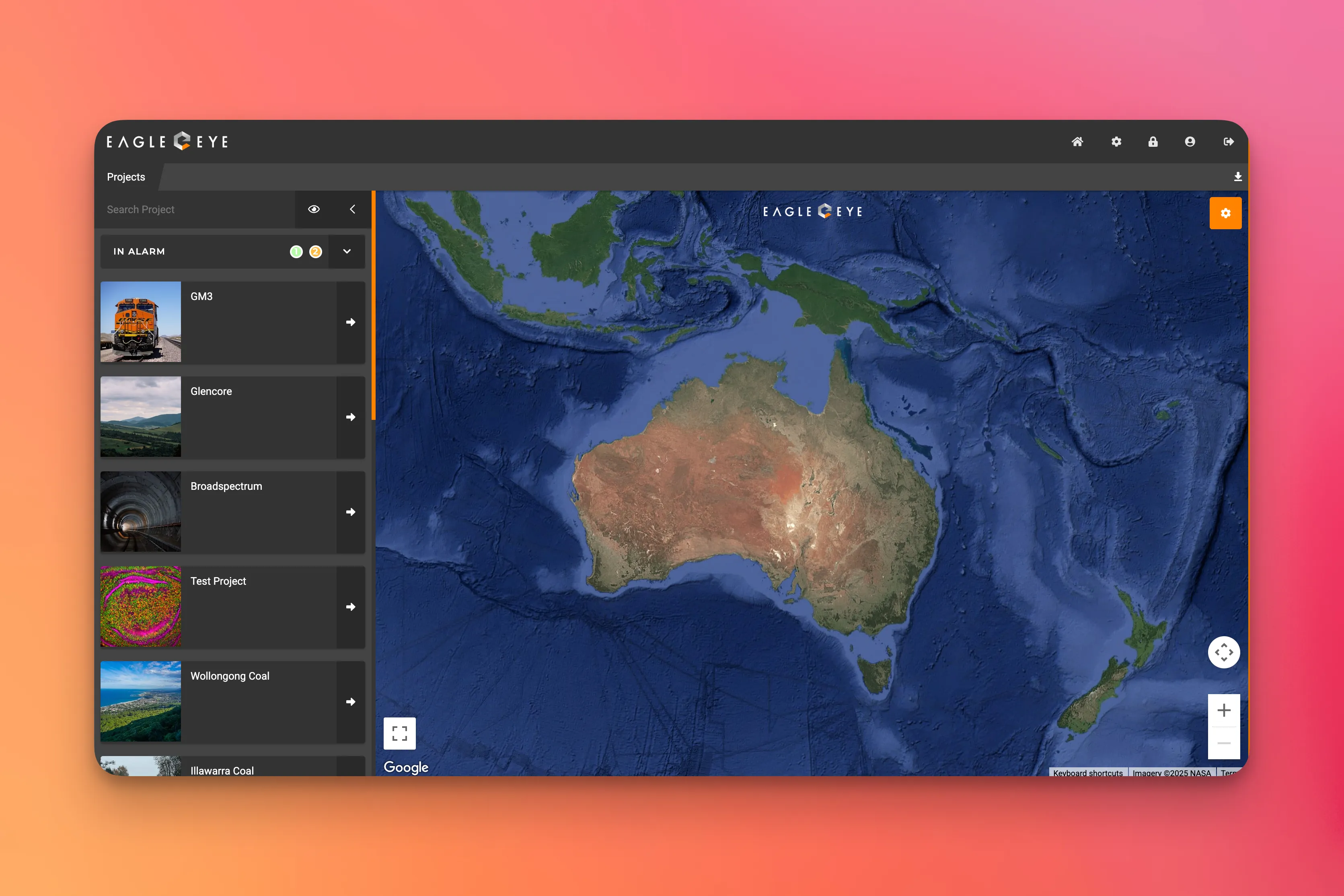
Technologies & Integrations
| System Type | Common Tools | Our Capabilities |
|---|---|---|
| Estimating & Takeoff Software | On-Screen Takeoff, Bluebeam Revu, PlanSwift, STACK, McCormick, Trimble Accubid, Sage Estimating, HeavyBid (civil) | Automated estimate import and conversion to project budgets, historical cost database integration capturing actual project performance, estimate vs. Actual variance reporting, quantity takeoff integration with scheduling and procurement, unit cost updates from accounting systems, change order pricing using estimate assemblies |
| Project Management Platforms | Procore, Autodesk Construction Cloud, Buildertrend, CoConstruct, Fieldwire, Smartsheet, Microsoft Project, Primavera P6 | Bidirectional data sync for schedule, budget, and document updates, RFI and submittal workflow integration, drawing and specification access from field apps, subcontractor portal connectivity, integration with daily reporting and time tracking, automated progress reporting and dashboards |
| Accounting & ERP Systems | Sage 300 CRE, Foundation, Viewpoint Vista, QuickBooks Contractor Edition, Jonas Construction, ComputerEase, Acumatica Construction Edition | Automated job costing with field-captured labor and material costs, work-in-progress (WIP) reporting for percentage-of-completion accounting, AP automation linking invoices to purchase orders and subcontracts, payroll integration capturing labor costs by project and cost code, certified payroll reporting for prevailing wage projects, financial consolidation and executive reporting |
| BIM & Design Software | Autodesk Revit, Navisworks, BIM 360, AutoCAD Civil 3D, Bentley MicroStation, Tekla Structures, Trimble Connect | Model-based quantity takeoff for accurate estimating, 3D coordination and clash detection across disciplines, 4D schedule visualization linking activities to model elements, 5D cost management integrating quantities with estimates, design-to-field workflows for layout and fabrication, as-built model updates from field progress documentation |
| Equipment Tracking & Telematics | GPS Insight, Verizon Connect, Teletrac Navman, CAT Product Link, John Deere JDLink, Komatsu KOMTRAX, equipment IoT sensors | Real-time GPS tracking for equipment location and theft prevention, equipment utilization monitoring showing productive vs. Idle time, maintenance scheduling based on engine hours and diagnostic codes, fuel consumption tracking and cost allocation by project, geofencing alerts for unauthorized equipment movement, integration with project scheduling for equipment planning |
Custom vs. Off-the-Shelf Software
Understanding the differences helps you make the right choice for your organization.
Details:
Built around your exact trades, project types, and workflows. MEP coordination, civil earthwork, concrete placement, residential construction. Software adapts to you, not the other way around.Details:
Designed for general contractors. Specialty trades (MEP, civil, concrete) forced into workflows that don't match operations. Can't customize without expensive professional services.Details:
Integrates your exact technology stack. Estimating, accounting, BIM, equipment tracking, survey tools. Regardless of vendors. Custom API connections for any system.Details:
Limited integrations with specific vendors. Your estimating software, accounting platform, or survey tools may not connect. Manual data transfer common.Details:
$75k-$400k one-time development. Predictable annual maintenance (typically 15-20%). No per-user fees. 5-year cost: typically 40-60% less than subscriptions.Details:
$15k-$50k annually forever with per-user fees punishing growth. Hidden costs for integrations, customizations, and support. Total 5-year cost: $100k-$300k+.Details:
You own all your project data in open formats. Complete export capabilities. No vendor lock-in. Your operational knowledge stays with you, not held hostage.Details:
Vendor owns your project data. Extracting complete historical data is difficult. Switching platforms means losing valuable information or paying extraction fees.Details:
Trade-specific mobile workflows. Concrete pour documentation, MEP testing forms, civil quantity tracking, survey integration. Full offline functionality for remote sites.Details:
Generic daily reports and photo uploads. Don't match trade-specific documentation needs (concrete pours, MEP inspections, civil survey data). Offline capability limited.Details:
Direct integration with estimating tools. Automatic budget creation, real-time actual vs. Estimated tracking, continuous estimating database improvement from project outcomes.Details:
Minimal or no connection to estimating systems. Manual estimate-to-budget transfer. No feedback loops showing actual vs. Estimated costs for improving future bids.Why Construction Firms & Specialty Contractors Choose StepInsight
Certifications & Expertise
- Construction software specialists across MEP, civil, concrete, and general contracting
- Mobile application development (iOS, Android, Progressive Web Apps)
- Integration experts for construction accounting, estimating, and BIM platforms
- Cloud infrastructure and security specialists (Google Cloud, Azure)
- OSHA compliance and safety software expertise
- Survey, GPS, and construction IoT integration
Industries Served
- Commercial MEP contractors (mechanical, electrical, plumbing)
- Civil engineering and heavy construction
- Specialty contractors (concrete, steel, masonry, roofing)
- General contractors (commercial, industrial, multi-family)
- Residential construction and custom home builders
- Survey and sitework contractors
- Equipment-intensive operations and self-performing contractors
Services
- Custom construction management platform development
- Estimating and project management system integration
- Mobile field applications for trade-specific workflows
- Safety and OSHA compliance automation
- Equipment tracking and maintenance management
- Subcontractor coordination and collaboration portals
- BIM integration and model-based workflows
- Legacy construction software modernization
Stop Losing $200k Annually to System Fragmentation
Book a free 45-minute construction tech strategy call. We'll review your current systems, workflows, and pain points. Then provide honest assessment whether custom development makes sense or commercial platforms fit better. Most calls identify $100k-$300k in immediate efficiency opportunities.
Frequently Asked Questions
Custom construction software development creates tailored project management, field coordination, and business systems designed for your specific trades, workflows, and technology stack. Rather than forcing you into rigid templates designed for general contractors. While Procore and Autodesk Construction Cloud offer comprehensive features for broad construction markets, they're built for general contractors managing subcontractors, not specialty trades like MEP contractors self-performing work, civil contractors running heavy equipment, or residential builders coordinating 30+ subs. Custom development integrates your exact estimating software (On-Screen Takeoff, McCormick, HeavyBid), accounting platform (Sage, Foundation, QuickBooks), equipment tracking, and trade-specific tools without expensive middleware or manual workarounds. You own the code and your data. No vendor lock-in or escalating per-user subscription fees. Typical investment is $75k-$400k one-time versus $15k-$50k annually forever for commercial platforms, with custom solutions often costing 40-60% less over five years while delivering better operational fit for specialty contractors.
Custom construction software development typically costs $75k-$400k depending on integration complexity, feature scope, and number of systems to connect. Basic project management platforms integrating 4-6 systems (estimating, scheduling, accounting, field reporting) run $75k-$150k. Mid-range solutions adding mobile field apps, subcontractor portals, equipment tracking, and safety compliance cost $150k-$250k. Advanced platforms with BIM integration, survey data processing, AI-powered analytics, and multi-division support range $250k-$400k+. Most construction firms achieve ROI in 8-18 months through combined labor savings (12-15 hours per PM weekly), reduced rework (typically 20-30% reduction), captured change orders (recovering 90-95% vs. 60-70% previously), and improved project margins (reducing overruns from industry average 28% to under 10%). Compare this to commercial construction management software at $15k-$50k annually forever. Over five years you'll spend $75k-$250k+ on subscriptions while remaining constrained by platform limitations designed for different operations. Custom development costs more upfront but delivers better long-term value for firms running $10M+ annual volume or specialty contractors whose workflows don't match general contractor platforms.
Yes, integration is often the highest-value component of custom construction software. Connecting disconnected systems that cause 12-15 hours weekly of manual data consolidation and prevent real-time decision-making. We've integrated estimating tools (On-Screen Takeoff, Bluebeam, STACK, McCormick, HeavyBid), accounting platforms (Sage 300 CRE, Foundation, Viewpoint, QuickBooks), project management software (Procore, Autodesk BIM 360, Microsoft Project, Primavera P6), BIM tools (Revit, Navisworks, Civil 3D), equipment tracking systems (GPS telematics, machine control), and survey software (Trimble, Leica, Topcon). Our integration approach extracts data from each system's API or database, normalizes it into unified structures, and enables bidirectional sync where appropriate. Critical integrations include automatic estimate-to-budget conversion when you win projects, real-time actual cost flow from field and accounting to project dashboards, equipment cost allocation based on actual usage, and continuous feedback showing actual vs. Estimated performance to improve future bidding. Most contractors see data consolidation time drop from 12-15 hours weekly to under 2 hours reviewing automated dashboards while gaining real-time visibility for proactive issue resolution rather than reactive fire-fighting after problems compound.
Construction workers spend only 30% of time actually building. The other 70% wastes on task preparation, material gathering, waiting for instructions, and communication overhead. Mobile field applications reduce non-productive time by providing real-time task assignments with locations and material staging, eliminating confusion and wait time. Digital daily reports replace 90-minute paper write-ups with 10-15 minute guided mobile forms capturing weather, crew counts, progress, and issues. GPS-tagged photo documentation organizes automatically by location and date without manual filing. Time tracking with cost-code capture happens on phones eliminating paper timecards and enabling accurate job costing. Equipment location tracking via GPS eliminates phone calls hunting machinery. RFI and change order submission from field with photos ensures issues document immediately rather than being forgotten or poorly documented later. Offline functionality ensures field teams work effectively despite spotty site connectivity. Most importantly, mobile apps provide field teams visibility into schedule priorities, estimate productivity targets, and safety requirements. Enabling them to self-direct rather than waiting for superintendent radio calls. Construction firms implementing effective mobile field workflows typically see 20-30% productivity improvement within 6 months through reduced coordination overhead, faster issue resolution, and better information flow between field and office.
Construction faces more OSHA citations than any industry. Manual safety documentation creates $40k-$80k annual administrative overhead plus $15k-$150k citation risk. Automated safety platforms digitize daily toolbox talks capturing attendance with electronic signatures, equipment inspection checklists routing failed inspections to maintenance workflows, incident reporting with guided OSHA-compliant forms ensuring required information capture, worker certification tracking with expiration alerts preventing non-compliance, and subcontractor safety prequalification verification before site access. Most critically, automated OSHA 300, 300A, and 301 log generation eliminates manual recordkeeping errors that trigger citations during inspections. Photo documentation of hazards and corrective actions integrates with safety records and project timelines providing audit trails. For prevailing wage projects, certified payroll automation captures labor hours by worker classification, calculates wage requirements, and generates WH-347 reports eliminating manual compilation. Environmental compliance modules track SWPPP inspections, stormwater monitoring, and EPA reporting for construction sites. State-specific requirements like California CalOSHA or Washington L&I regulations integrate into compliance workflows. Most contractors reduce safety administration time from 8-12 hours weekly to under 90 minutes while improving OSHA audit performance and eliminating citation costs through consistent, automated documentation that proves compliance rather than scrambling to recreate records when inspectors arrive.
Construction estimating averages 75-80% accuracy industry-wide because estimators rely on outdated productivity assumptions, generic cost databases, and guesswork rather than learning from actual project performance. The fundamental problem is disconnection. Estimating happens in specialized software (On-Screen Takeoff, McCormick, HeavyBid) that doesn't connect to project management or accounting systems capturing actual costs. When projects close, lessons learned about labor productivity, equipment efficiency, material waste factors, and subcontractor performance stay in superintendents' heads rather than feeding back to improve future estimates. Integrated platforms solve this by automatically capturing actual costs at detailed level matching estimate structures. Labor productivity (hours per unit), equipment costs (hours and fuel consumption), material quantities including waste, and subcontractor actual costs versus estimated. Historical cost databases continuously update from completed projects, providing estimators with your company's real productivity data by crew, equipment type, project conditions, and work scope. Variance analysis shows systematically where estimates miss. Revealing which cost codes, work types, or trades consistently underestimate. Most contractors see estimate accuracy improve from 75-80% to 90-95% within 2-3 years through continuous feedback loops. One civil contractor improved margins from 4% to 9% over three years simply by connecting estimating to actual costs. Bidding work they'll actually make money on rather than guessing and hoping.
Construction software implementations fail at 40-50% rate due to poor system integration, unrealistic timelines, inadequate training, workflow mismatches, and hidden costs emerging late. Vendors promise 2-3 month implementations that stretch to 6-12 months as integration challenges surface. Off-the-shelf platforms designed for general contractors force specialty trades into workflows that don't match their operations, creating adoption resistance. We avoid failures through clear assessment upfront. We'll tell you if your operation is too small for custom development or if commercial platforms would work better. Discovery phase includes detailed workflow mapping, system inventory, and integration proof-of-concepts for critical connections before full development starts. Phased rollout approach begins with highest-impact modules (typically system integration or field reporting) delivering immediate value while building toward comprehensive platform. Implementation starts with one project or division as pilot, validating workflows with real work before expanding company-wide. Training happens continuously during development with iterative feedback, not as afterthought post-launch. Interfaces are designed around your existing workflows rather than forcing new processes. Software should adapt to how your team works, not the other way around. Most critically, we include realistic contingencies for construction complexity. Every contractor has unique equipment, trades, or compliance requirements that generic platforms can't handle. Our 95%+ implementation success rate comes from honest assessment of challenges and realistic planning, not optimistic promises that collapse when reality hits.
Construction field teams need mobile applications that work offline in areas with spotty connectivity, sync automatically when network is available, and minimize data entry through GPS, cameras, voice input, and barcode scanning. Essential capabilities include offline daily reporting through guided forms capturing weather, crew counts, work completed, equipment usage, and issues in 10-15 minutes instead of 90-minute paper reports. GPS-tagged photo and video documentation automatically organizes by location, date, and project area without manual filing. Time tracking with cost-code capture replaces paper timecards while enabling accurate job costing. Equipment location tracking shows where machinery is across multiple job sites. RFI and change order submission from field with markup tools and photos ensures issues document immediately rather than being forgotten. Quantity tracking for measurable work (concrete yards, steel tons, linear feet of utilities) feeds progress updates and payment applications. Safety observations, toolbox talks, and equipment inspections happen on mobile devices with electronic signatures. Drawing and specification access lets field teams view current plans without carrying paper sets. Push notifications alert superintendents to schedule changes, weather issues, safety alerts, or priority task updates. Voice dictation enables hands-free notes while driving between sites. Barcode/QR scanning tracks materials, equipment, and deliveries. Progressive Web App (PWA) technology provides single mobile interface working across iOS, Android, and tablets. Reducing development costs versus separate native apps while ensuring consistent experience. Offline-first architecture ensures field teams work effectively despite connectivity limitations common on construction sites.
Construction software development typically takes 10-16 weeks for core platform functionality with phased rollout minimizing operational disruption. Timeline depends on integration complexity, number of systems to connect, customization requirements, and team availability for feedback and testing. Discovery and planning phase (2-3 weeks) includes detailed requirements analysis, workflow mapping, system integration inventory, and proof-of-concept testing for critical connections like estimating or accounting integration. Initial development sprint (6-8 weeks) builds core platform with highest-priority modules. Typically system integration, project dashboards, or field reporting delivering immediate operational value. Testing and refinement (2-3 weeks) involves project team validation with real work, workflow adjustments based on feedback, and integration debugging. Phased deployment (1-2 weeks) starts with pilot project or division before full company rollout. Advanced features like AI analytics, complex BIM integration, or multi-division consolidation often deploy in subsequent phases after core platform stabilizes. This phased approach delivers value quickly while managing implementation risk. Unlike commercial construction management software implementations promised at 2-3 months but often taking 6-12 months before being fully operational. We're honest upfront if your project will take longer due to unusual complexity. Heavy BIM integration, complex multi-division consolidation, or extensive legacy system connections. Most construction firms are using core platform within 12-14 weeks of project kickoff with 95%+ adoption success rate because software matches how they actually work rather than forcing new workflows.
Yes, well-architected construction software scales from $5M single-location contractors to $200M+ multi-division operations. But requirements differ significantly by company size and complexity. Small contractors ($5M-$15M) need cost-effective solutions focusing on eliminating manual data consolidation, field-to-office communication, and basic job costing. With $75k-$150k budgets and 10-12 week implementations delivering ROI primarily through time savings. Mid-sized contractors ($15M-$50M) benefit from comprehensive platforms integrating estimating, project management, equipment tracking, safety compliance, and accounting with $150k-$250k investments justified by combined efficiency gains and improved project margins. Large contractors ($50M-$200M+) require sophisticated platforms with multi-division consolidation, executive dashboards, advanced analytics, comprehensive equipment fleets, and enterprise system integration at $250k-$500k+ investments delivering ROI through operational efficiency at scale. Technical scalability involves database architecture handling growing project volumes, multi-tenant designs for division-specific workflows with corporate consolidation, role-based access for complex organizational hierarchies, and API-first architecture enabling integration as companies acquire new divisions or technology. We're honest about minimum company size justifying custom development. Contractors under $10M annual volume often get better value from commercial platforms like Buildertrend or CoConstruct unless they have specialized requirements those platforms can't address. Multi-division operations see most dramatic benefits from unified visibility replacing fragmented division-level systems that prevent corporate understanding of actual performance, resource allocation, and project profitability.